
Notes From the Field: Poaching Thwarted in India
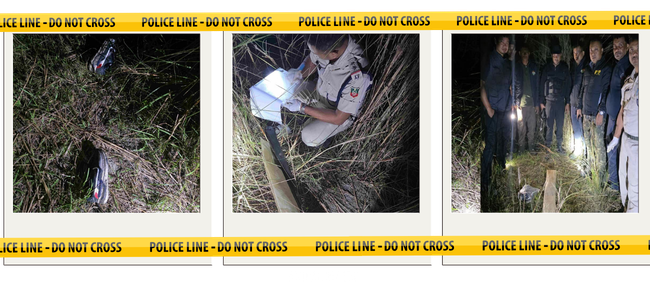
On the night of March 20th, under the cover of total darkness along the north bank of the Brahmaputra River, a rhino’s life hung in the balance. A poaching team had moved into India’s Kaziranga National Park, but they weren’t alone.
Thanks to IRF-funded training and intelligence, the responding officers knew exactly what to do. They didn’t just stumble upon the site; they were able to thwart the hunt before a single shot was fired. Although the suspects managed to flee the scene into the night, IRF Intelligence Specialist Rahul Dutta reported that significant evidence was recovered in their haste to escape: a rifle, ammunition, a pair of shoes, mobile phone and other personal effects. Officials stated that this provides a crucial lead to properly apprehending the subject.
The majority of India’s greater one-horned rhino population resides in the state of Assam. Assam has reported an impressive zero rhinos lost to poaching twice in recent years (both in 2022 and 2025), and it has been over a year since a single rhino was lost to poaching there. Rhino poaching has been declining in this area since 2013, and the greater one-horned rhino population is on the rise. Kaziranga is home to many other species too, like Bengal tigers, Asian elephants and wild water buffalo. While not as frequently targeted for ivory in Asia as in Africa, wild elephants remain vulnerable to poaching, and tigers face risk of illegal trafficking for exotic trade. IRF-backed wildlife crime training ultimately helps protects many species, not just rhinos. When you support IRF, you’re providing the legal training and the investigative kits that local officers use to process wildlife crime scenes, secure evidence and put traffickers behind bars.